Literacy has always been about more than words on a page. On International Literacy Day, we’re asking what it means to read, question and make sense of a world of headlines, algorithms, misinformation and endless information, and why finding the facts is only part of the story.
For 60 years, International Literacy Day has drawn attention to literacy as a fundamental human right and as part of building more equal, peaceful and sustainable societies. In 2026, UNESCO marks the day under the theme “Literacy for people, the planet and prosperity.”
Reading and writing remain fundamental. But the world we are reading has changed.
Every day, we scroll through headlines, videos, search results, adverts, opinions, WhatsApp messages and social media posts. Increasingly, we are also encountering material created, selected or reshaped by artificial intelligence.
Information is everywhere.
But is it accurate?
Who produced it?
Why are we seeing it?
Whose voice is missing?
And what do we do with it?
For us at 80:20, these are literacy questions too.
Reading the word. And reading the world
Being able to read information is one thing. Being able to question, understand and act on it is another.
We need the confidence to distinguish fact from opinion, evidence from assertion and information from manipulation. We need to notice whose experiences are represented and whose are not. We need to understand how inequality, power and prejudice can shape the stories we encounter.
And, perhaps most importantly, we need to keep asking:
What can I do?
That idea has been at the heart of much of our work on critical media literacy.
Facts Matter
When we developed Facts Matter: A Guide to Building Critical Media Literacy in Today’s World with the National Adult Literacy Agency (NALA), we started from a reality most of us recognise: we are bombarded with information every day, and much of it can be false, misleading or deliberately designed to provoke us.
Facts Matter was developed for adult literacy and adult education practitioners who want to strengthen learners’ knowledge, understanding, skills and confidence in critical thinking, media literacy and digital literacy.
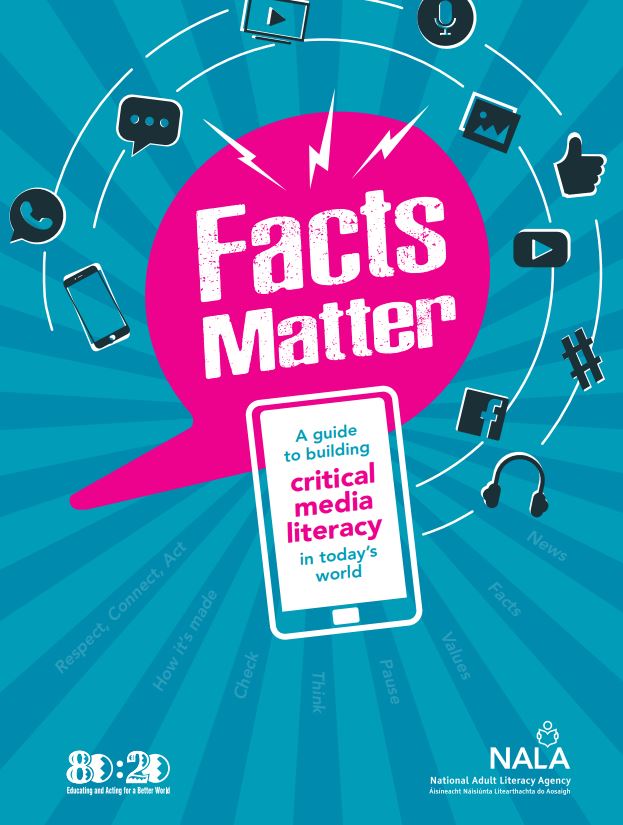
Across 10 lessons, 30 activities, 19 handouts and 14 worksheets, the guide invites learners and educators to examine how news is made, how we decide which sources to trust, how ideas are marketed to us, how hate operates online and how we can respond.
But Facts Matter is not simply about becoming better fact-checkers.
It asks us to look at the world behind the information too: inequality, participation, power and the choices we make about what we believe, share and challenge.
From the classroom to the Oireachtas
Five years after its publication, those questions have hardly become less urgent.
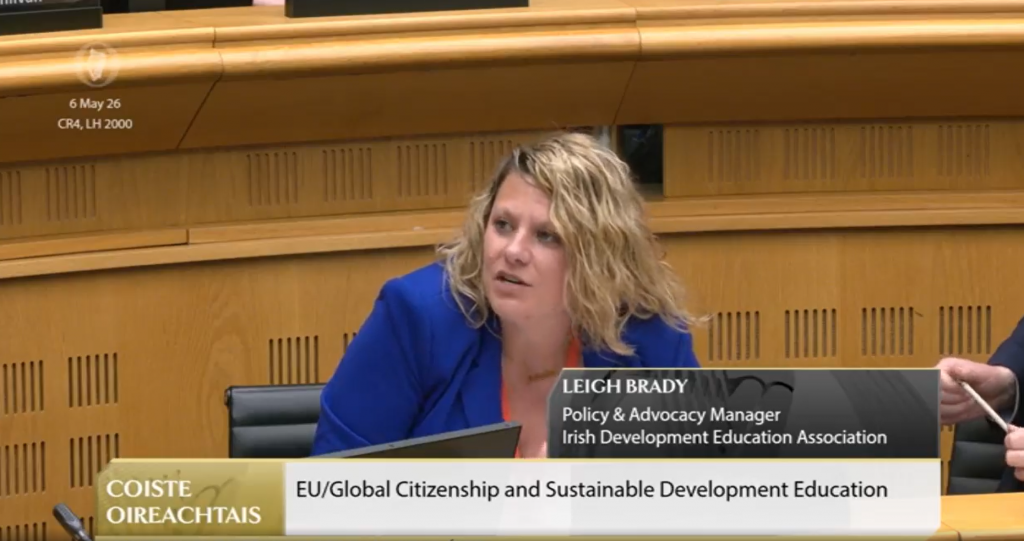
In May 2026, Facts Matter was highlighted during an Oireachtas Joint Committee on Education and Youth discussion on EU/Global Citizenship and Sustainable Development Education.
The discussion pointed to the growing need for education that helps people navigate misinformation, understand complex global issues and participate actively in democratic life.
For us, that recognition matters.
Not because critical media literacy has suddenly become important – educators and communities have been doing this work for years – but because the challenge is becoming harder to ignore.
When misleading information can travel across the world in seconds, when political and social debates are shaped online, and when new technologies make it increasingly difficult to know how information has been produced, the ability to question what we see and hear is part of participating in society.
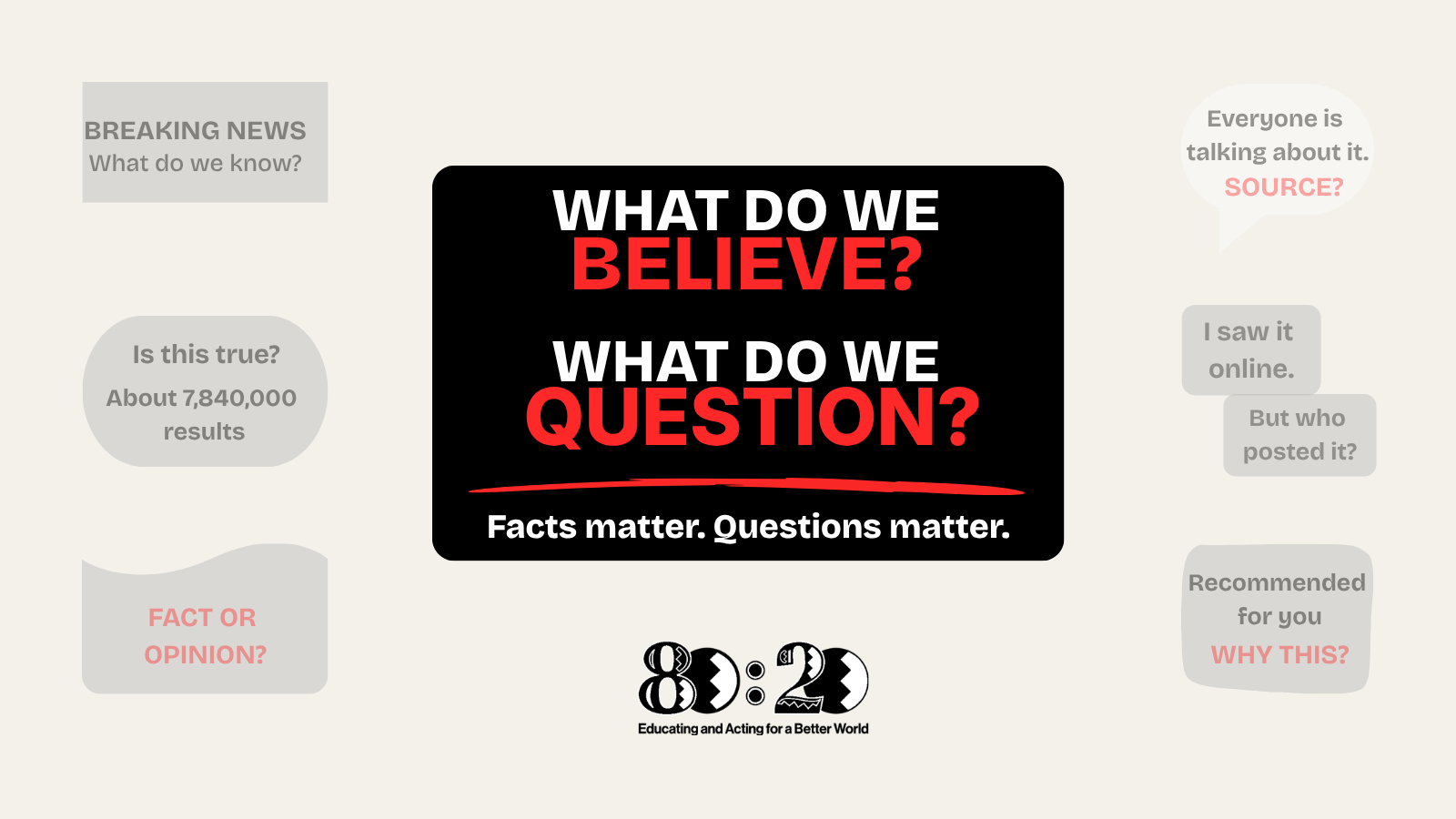
Facts matter. But so do the questions.
Knowing whether something is true is essential. It is not always enough.
We also need to ask why a story is being told in a particular way. Why misinformation spreads. How our own experiences influence what we believe. How algorithms, emotions and online communities can shape our view of the world. And how we can have difficult conversations without making division worse.
That thinking led us to Questions Matter. Developed by 80:20 with NALA, Kildare and Wicklow Education and Training Board and Bray & North Wicklow Area Partnership, Questions Matter brought critical thinking and digital media literacy directly to adult educators and tutors through a WhatsApp-based microlearning course.
Over ten short lessons, participants explored questions including:
Why do people deliberately spread misinformation?
What does our digital footprint say about us?
What happens when we “think like a troll”?
How can we respect, connect and act when conversations become hostile?
And, importantly for educators:
Where does all of this fit into our learning spaces?
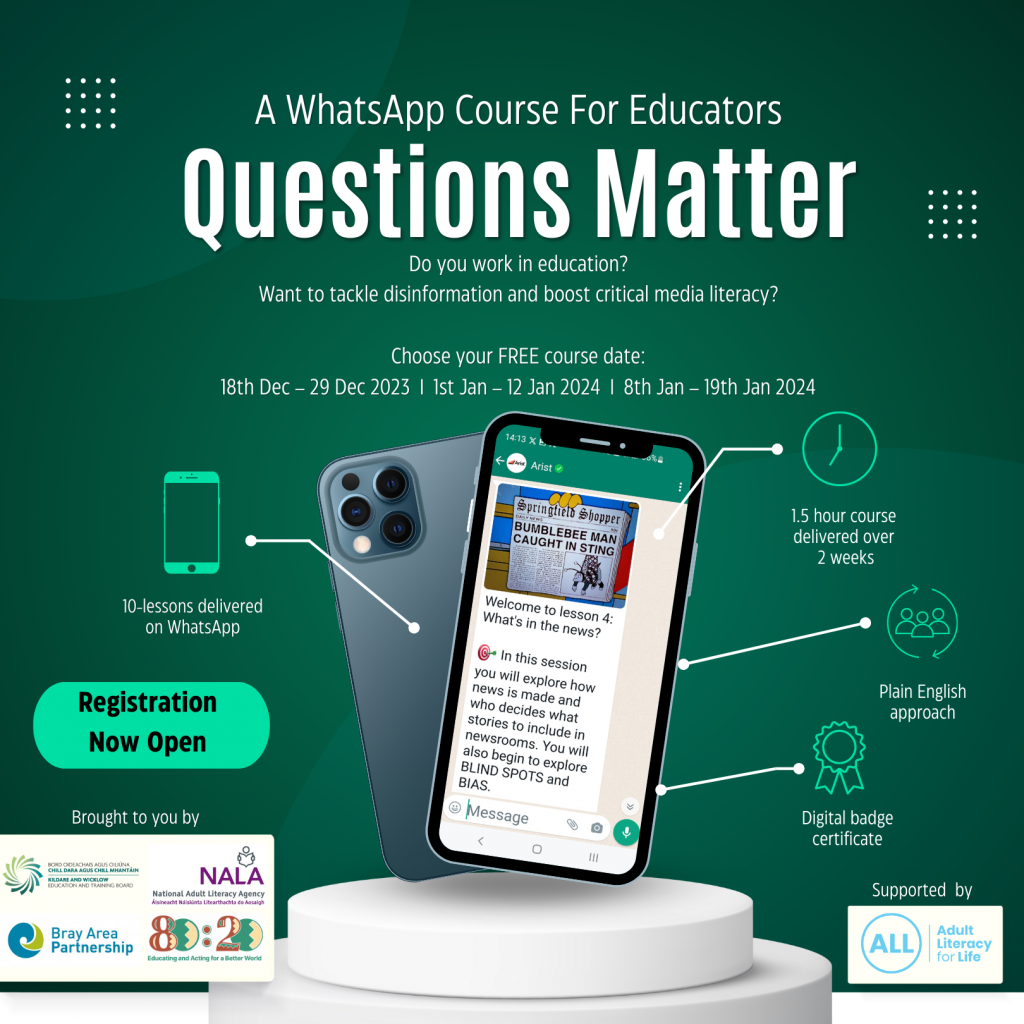
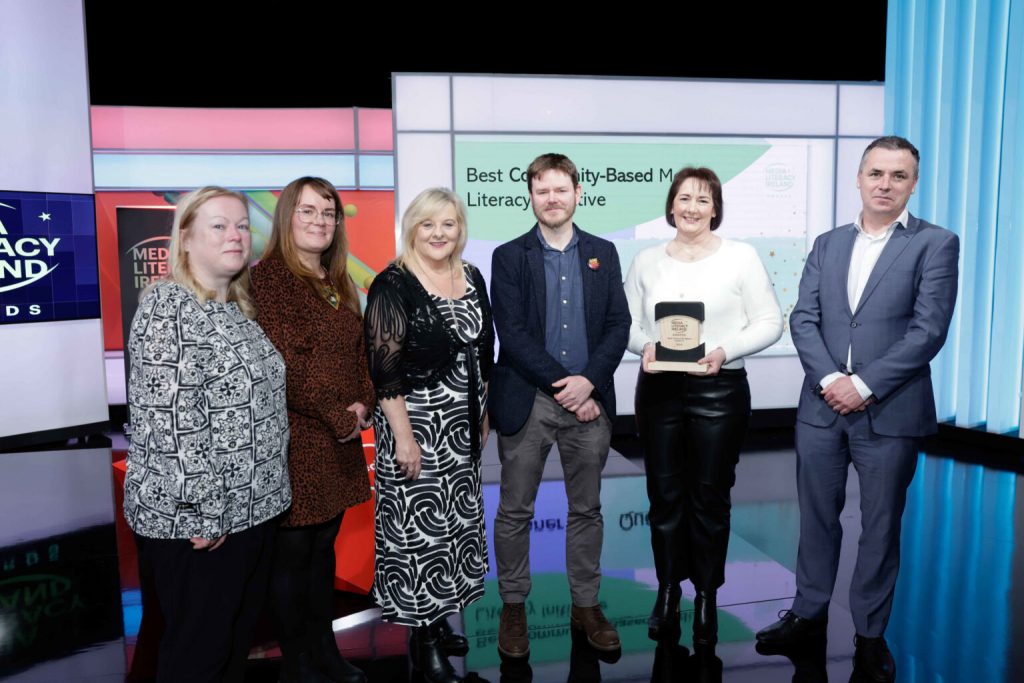
In 2024, Questions Matter won Best Community-Based Media Literacy Initiative at the Media Literacy Awards, with judges highlighting its approach to empowering learners and bringing media literacy into community and adult-learning settings.
So, what does literacy look like in 2026?
Perhaps part of the answer is that literacy has never been only about recognising the words in front of us. It is also about what we do with them.
Can we question them?
Can we look for evidence?
Can we recognise when something – or someone – is trying to manipulate us?
Can we listen to experiences different from our own?
Can we challenge inequality rather than reproduce it?
And can we use what we learn to participate, organise, discuss, disagree and act?
On International Literacy Day, we celebrate the enormous importance of reading and writing. But we also think it is worth looking at the world we are asking people to read.
A world of more information does not automatically make us better informed. That takes skills. It takes curiosity. It takes critical thinking. And it takes questions.
Because facts matter. Questions matter. And how we use both matters too.